Empowering individuals with invisible disabilities through the benefits of a PWD ID
Project overview
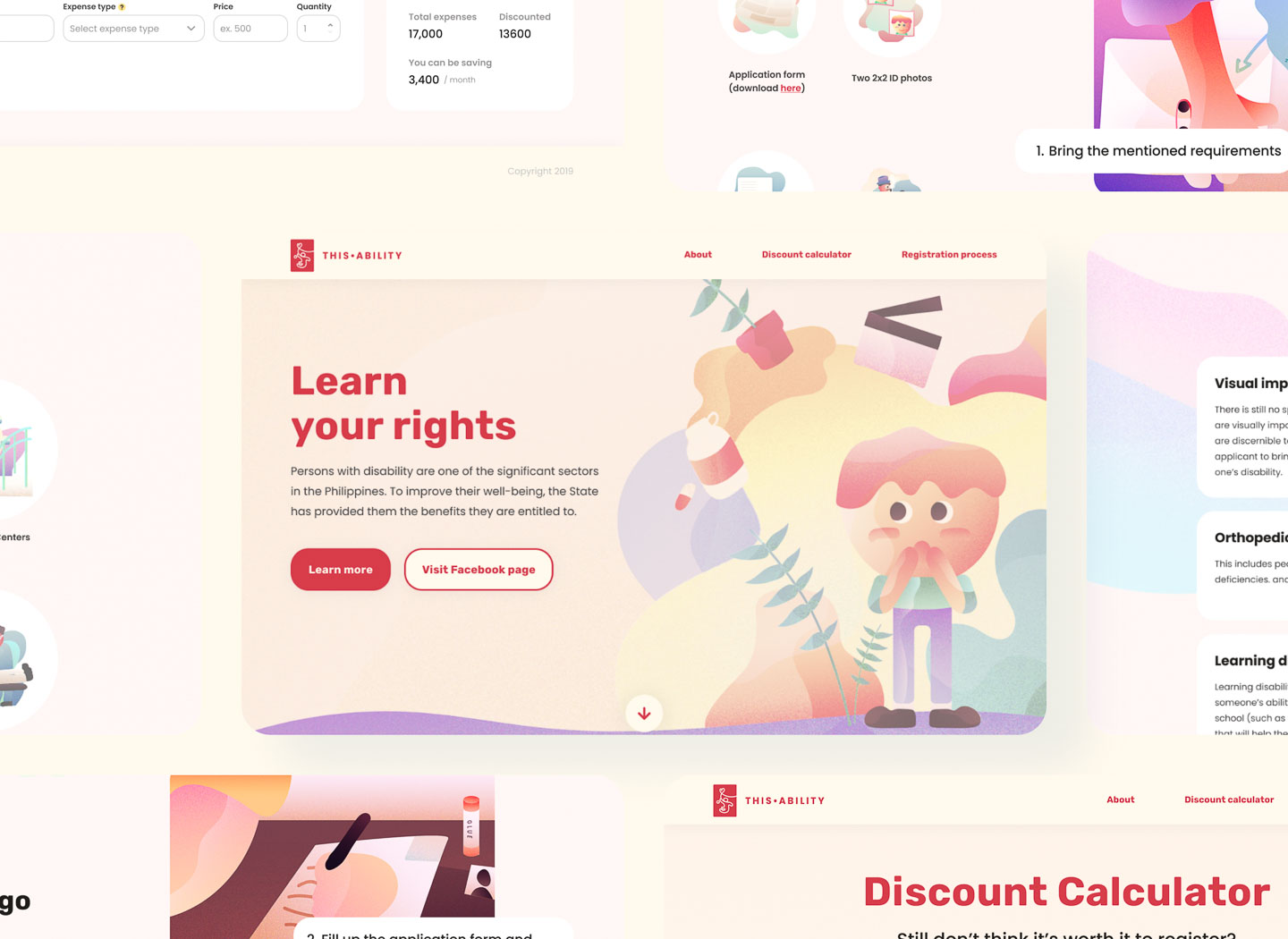
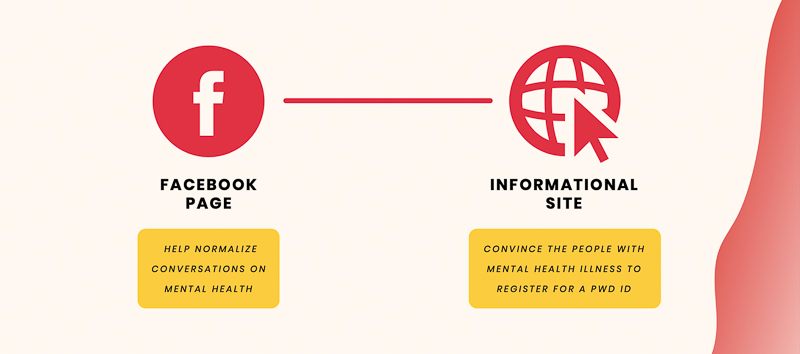
ThisAbility was my thesis project back in 2019. The project sought to destigmatize conversations on mental health and encourage individuals with mental health conditions to register for a PWD ID in the Philippines. My intervention was a two-pronged approach comprising of (1) a Facebook page that disseminated essential conversation points on mental health and (2) a comprehensive website that provided vital information on the benefits and registration process for a PWD ID.
My role
I was solely responsible for breathing life into the product and campaign, starting from conceptualization to designing the website, as well as developing marketing campaigns on social media.
Background
Problem statement
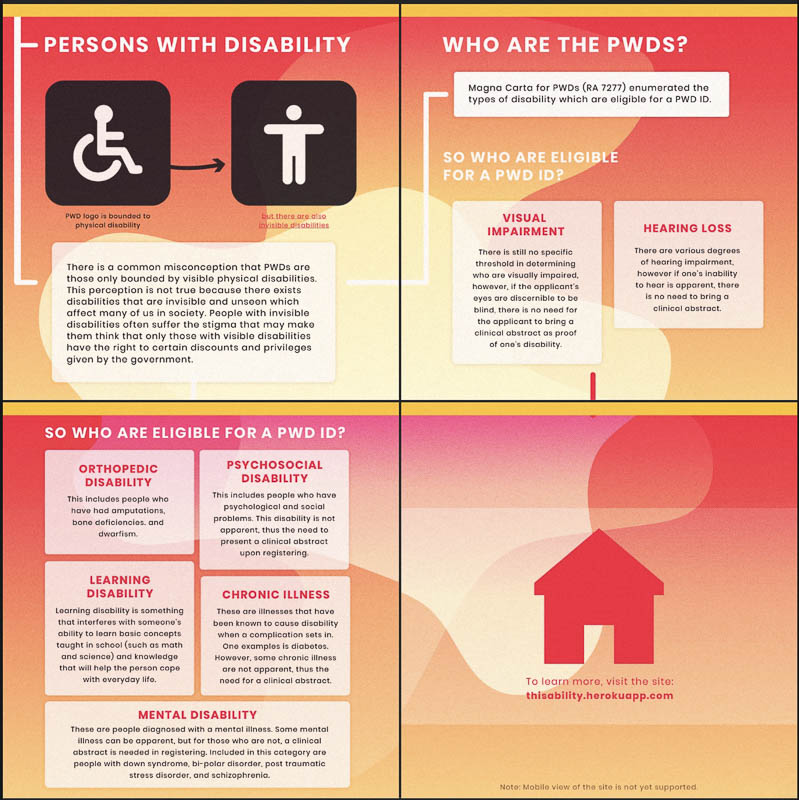
The Philippines faced a significant challenge of low registration rates for PWD IDs among individuals with mental health conditions due to a combination of insufficient awareness and entrenched external and internal discrimination. The government's inadequate efforts to disseminate information on the Magna Carta for PWDs had left many individuals unaware of their eligibility for a PWD ID. External discrimination was perpetuated by harmful societal stigmas that viewed mental health conditions as a form of divine punishment or a mere mindset. On the other hand, internal discrimination was caused by people with mental health conditions accepting the stigma as a reality and hiding their condition from society. These pervasive barriers demand urgent action to improve the quality of life for individuals with mental health conditions in the Philippines.
Target audience
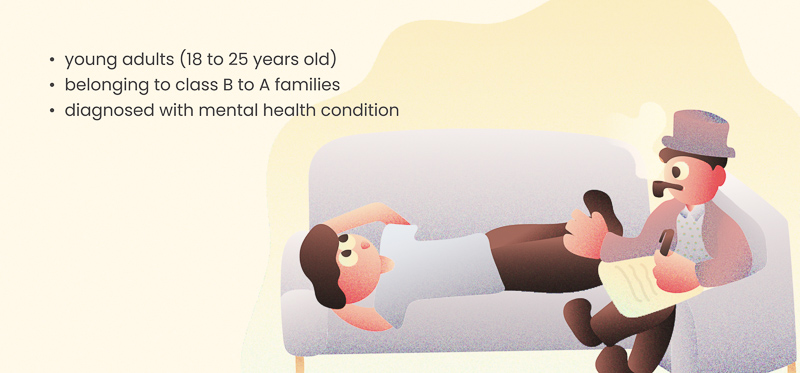
The target audience was young adults aged 18 to 25 from class B to A families who have been diagnosed with a mental health condition. The focus was on this age group because they are at a crucial stage in their lives, where they transition to adulthood and experience significant life changes. The socioeconomic status of the target audience was considered to ensure that they have access to resources that can support their mental health, such as therapy and medication.
The challenge
How might we create a secure and welcoming environment for individuals to overcome the societal stigmas surrounding mental health?
How might we facilitate awareness to essential mental health resources and support for those who need it the most?
Process
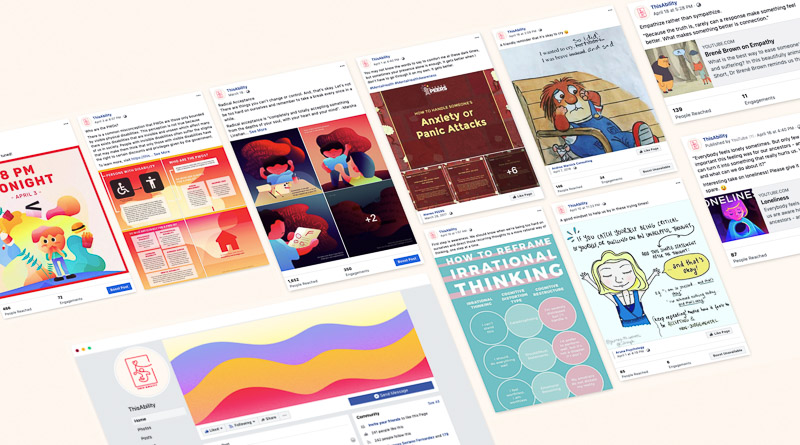
To address the challenges at hand, I developed two components for my design intervention: a social media campaign and an informational website. The social media campaign aimed to create a safe and welcoming environment by destigmatizing mental health and normalizing conversations around it. The informational website was designed to raise awareness about the available mental health resources and support available to individuals with mental health conditions.
The identity
In the branding aspect, the tone and values of the intervention were established to be trustworthy, friendly, open, and calming. The product was personified to be like a good listener and a friend who knows when to give advice and when to just empathize.
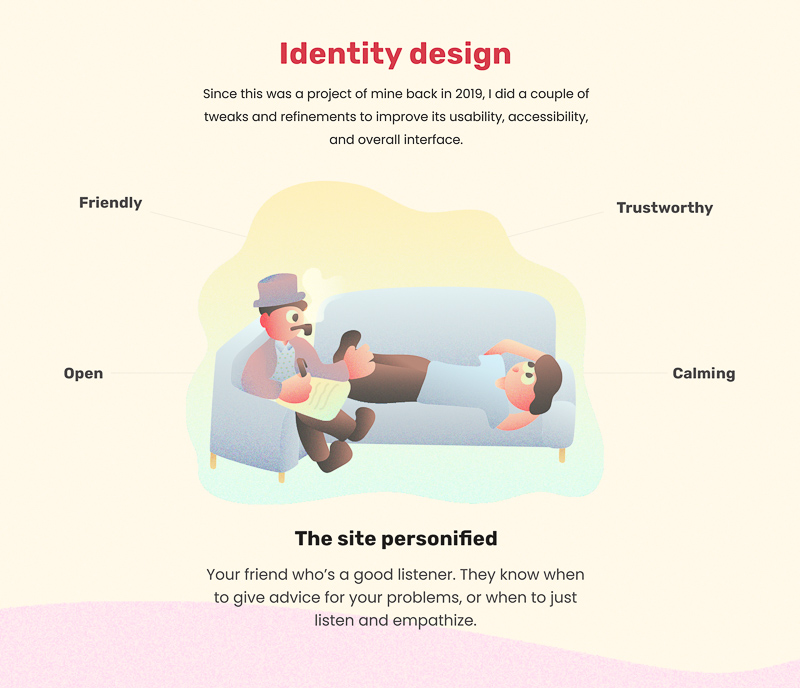
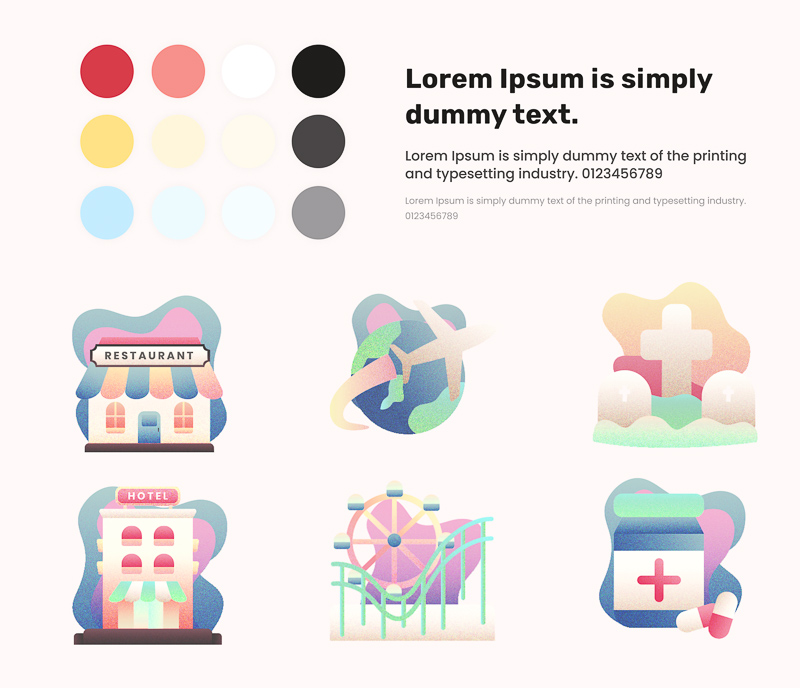
The intervention was illustration-heavy to make it more appealing to young adults, with simple concepts conveyed through friendly cartoon characters. The layout of the site was designed to have an intuitive linear navigation with only three pages to make the information easily digestible.
The components
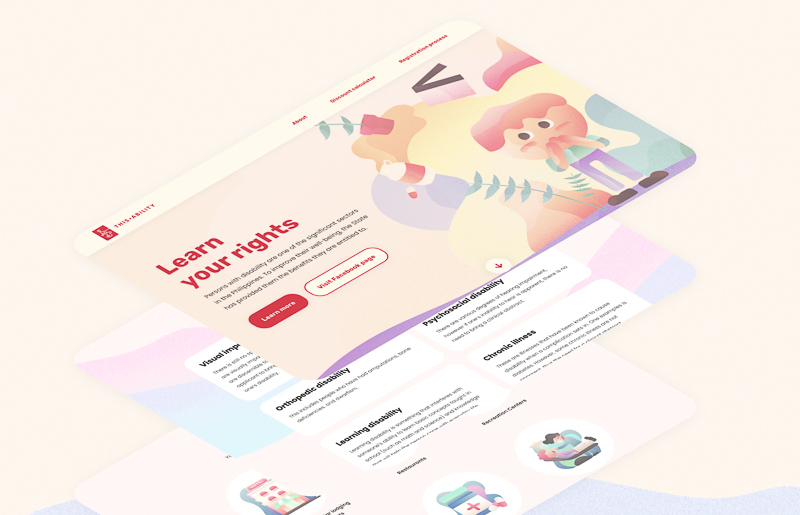
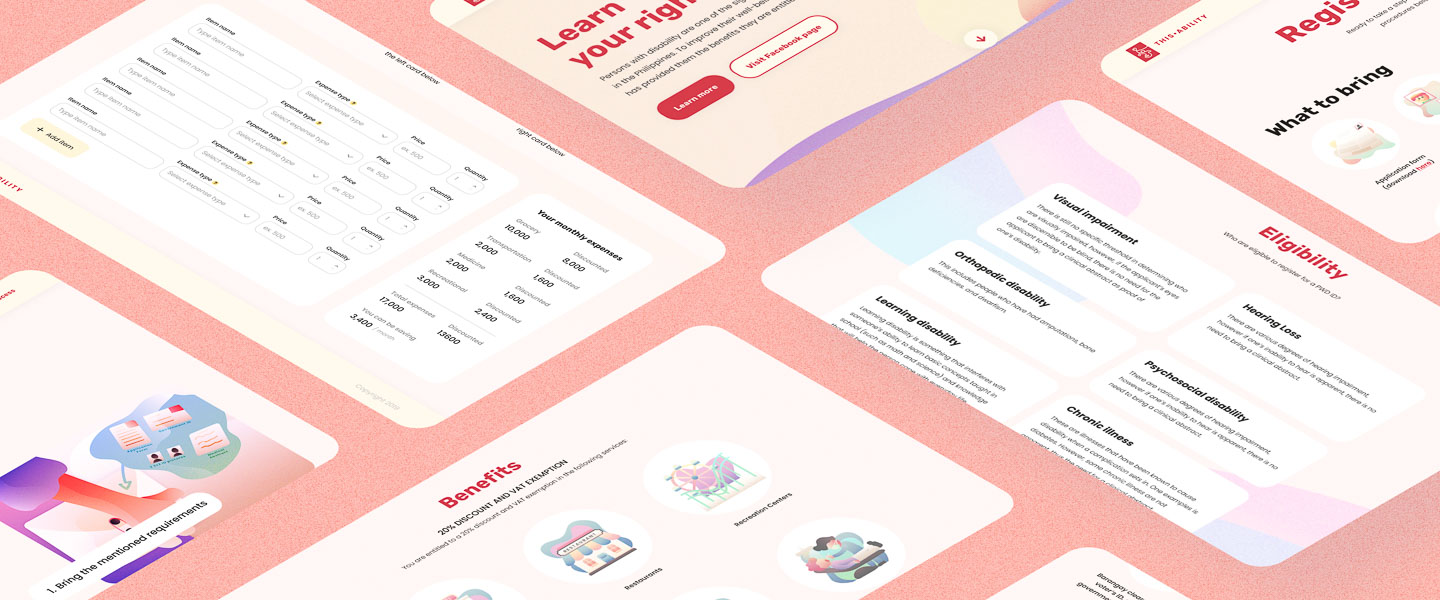
The website addressed the practical and pragmatic benefits of obtaining a PWD ID, which could significantly alleviate the financial burden of seeking necessary mental health treatments such as therapy and medication. Per page, the website has the following goals:
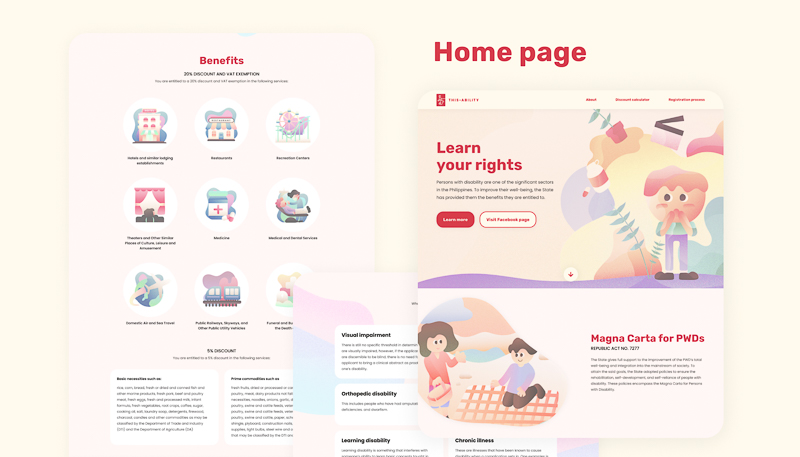
Home page
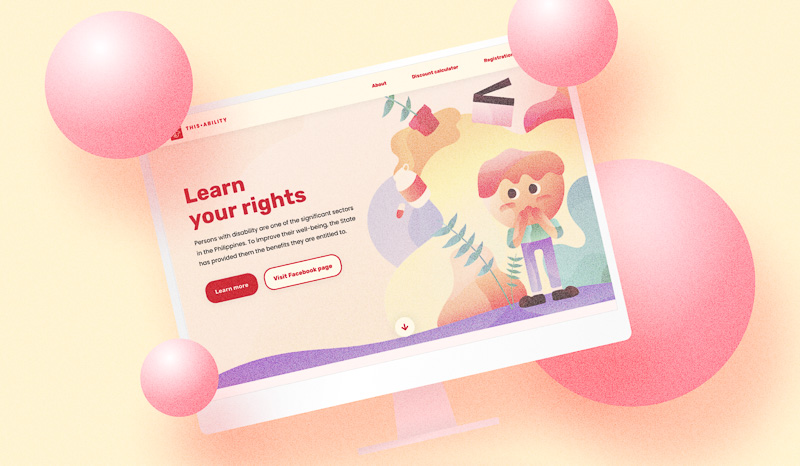
Discover the eligibility requirements and benefits you're entitled to with a PWD ID.
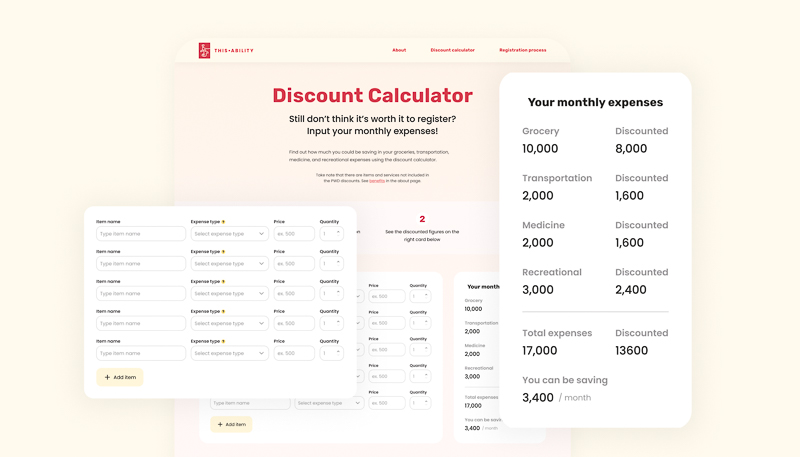
Discount calculator
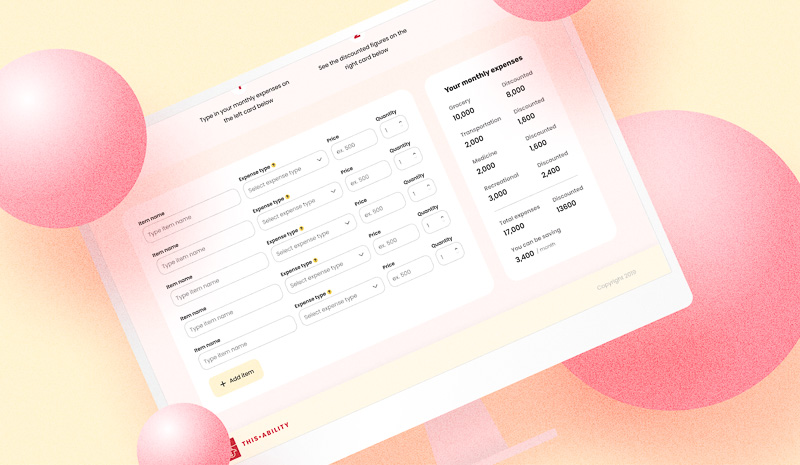
Uncover the practical benefits of a PWD ID with our discount calculator.
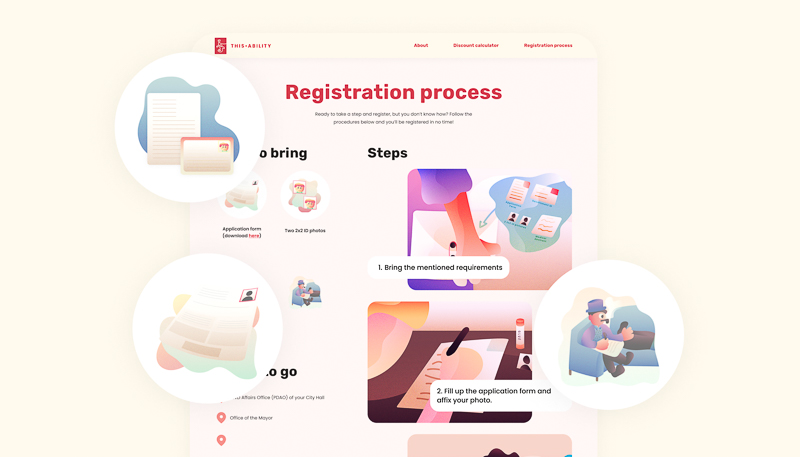
Registration process
Take the next step and learn everything you need to know about the PWD ID registration process.
Testing
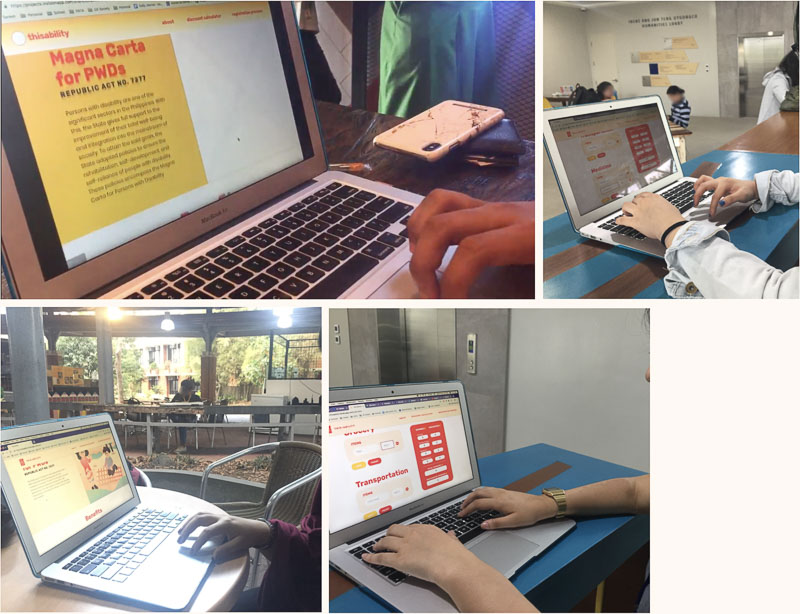
ThisAbility underwent testing and analysis using the following methods:
- Observation
- Aptitude test
- Guided simulation
- Questionnaire: Likert Scale, SUS
- Evaluation
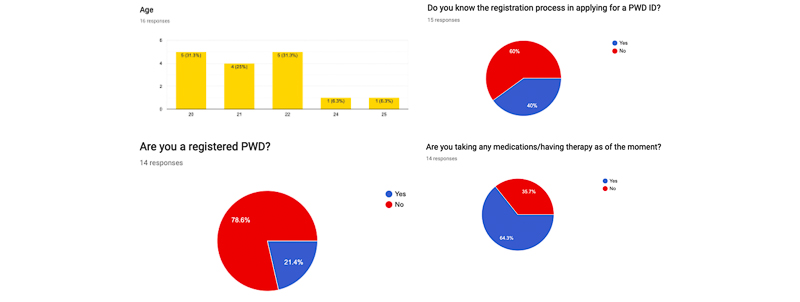
To ensure the success of the project, two rounds of testing were conducted. The first round took place during the wireframing stage, while the second round occurred after the initial launch of the website. Sixteen testers were involved in the testing process, including 14 individuals diagnosed with a mental health condition. Of those 14, only three were registered PWDs, while the remaining 11 were not. Additionally, two of the testers were classified as secondary stakeholders, as they had close friends or family members with mental health conditions.
Analysis
The testers revealed several prevailing mindsets, among are the following:
The influence of their parents played a significant role in their decision not to obtain a PWD ID.
Some parents may not be aware of the benefits of obtaining a PWD ID, or they may have misconceptions about it, leading them to discourage their children from pursuing it. In some cases, parents may not want their children to be labeled as persons with disabilities, as this may affect their self-esteem or future prospects.
Many of them believed that they did not deserve to have a PWD ID.
The belief that one does not deserve to have a PWD ID may stem from internalized ableism, which is a set of attitudes and beliefs that devalue people with disabilities. People with disabilities may internalize these attitudes and beliefs, leading them to view themselves as less deserving of opportunities or support. Additionally, some people may not see themselves as having a disability, even if they meet the criteria for it, which can lead to a reluctance to seek out resources or accommodations.
Outcome
While my design intervention did not meet the intended success indicators to solve the identified challenges, it yielded significant findings that could advance the cause. The approach of emphasizing the practical benefits of having a PWD ID to persuade the target audience may not have been as effective for those in Class A and B families. Overall, the intervention presents an alternative perspective for promoting PWD ID registration and could be leveraged to spark a movement.
Alternative perspective
- Offer a new outlook that mental disability is as significant as physical disability.
- Recognize that acknowledging a person's disability is not admitting defeat, but rather accepting it as a part of their identity while recognizing their other strengths.
Spark a movement
- Serve as a movement against mental health discrimination and stigma by challenging those who do not believe in the legitimacy of mental health conditions.
- Recognize and validate the difficulties experienced by those with mental health conditions and advocate for their right to receive support and accommodations through the PWD ID system.

Let’s create
the next big thing!
the next big thing!
Feel free to reach out for collaborations or if you just want to say hello.
Oops! Something went wrong while submitting the form. Please try again later.